Assessing the Practices for the Conduct of Graduate Students’ Thesis at the Faculty of Management and Development Studies, UP Open University
Primo G. Garcia1, Grace Anne C. Buno2, Jelaine R. Bagos3
1[email protected], 2[email protected], 3[email protected]Faculty of Management and Development Studies
University of the Philippines Open University
Abstract
Graduate student thesis practices are procedures and policies that are followed by graduate students, faculty members, and staff of higher education institutions. Since UP Open University (UPOU) is an Open and Distance e-Learning (ODeL) institution, the thesis practices that are implemented by its Faculty Offices must adhere to the principles of distance education. Appropriate implementation of graduate thesis production at UPOU requires closer coordination because of the time and space difference between and among advisers, students, staff, panel members, and program chair. The practices comprising graduate student thesis writing in the UPOU Faculty of Management and Development Studies (FMDS) Programs are here explored. The study examines the administrative practices followed by the programs of FMDS in the conduct of graduate thesis among its learners. Practices that contribute to quality thesis administration are suggested here. These suggestions follow those available in the literature and those uncovered from thesis students’ experiences. Finally, this inquiry presents recommendations that will promote good practices in administering the programs’ thesis courses in the distance mode.
Keywords: best practices, thesis administration, thesis course, graduate students, distance education
Introduction
The University of the Philippines Open University (UPOU), which is one of the constituent universities of the UP System, aims to provide opportunities for alternative access to quality higher education by offering baccalaureate and post-baccalaureate degree programs and non- formal courses by distance education.
The Faculty of Management and Development Studies, one of three academic degree-granting Faculties in UPOU, currently offers eight (8) Diploma/Graduate Certificate programs and seven (7) Master’s degree programs, some of which are ladderized. Out of the seven (7) Master’s degree programs, four (4) are thesis programs. These programs are the Master of ASEAN Studies (MAS), Master of Arts in Nursing (MAN), Master of International Health (MIH), and Master of Land Valuation and Management (MLVM).
Given that the thesis courses offered by the four programs are mostly delivered via distance mode, Nasiri and Mafakheri’s (2015) argued that there are various challenges (cultural, intellectual, professional, and personal) that affect the administration of thesis work among distance education students due to the spatial and temporal gaps between learners and their teachers. Since the students are geographically dispersed around the country and all over the world, the programs’ practices should enable the students to undertake their thesis writing course even if they are separated from their thesis advisers by time and space. Although each program in FMDS already has an established set of administrative practices for the implementation of their respective thesis courses, it is yet to be determined which among these practices promote quality thesis writing among the learners in the context of ODeL. Nasiri and Mafakheri (2015) added that there has been little research on the challenges and complexities of distance postgraduate research degree programs.
As the study only focused on the administrative practices implemented at the program level, the course guides and thesis manuals of the thesis courses offered at FMDS were reviewed. Interviews with the Program Chairs and staff who have been involved in administering the thesis process were conducted. It is understood that there are, in addition, specific practices implemented by individual advisers in supervising their advisees. Moreover, since the examination of the thesis practices was limited to the selected programs of FMDS, the authors recognize that the recommendations derived from the interviews and the study of course guides and manuals are bound to their context.
Results of the study will promote good practices in administering FMDS Program’s thesis courses in the context of ODeL. These suggestions can serve as basis for the development of general guidelines and policies for the conduct and administration of graduate thesis in FMDS. These guidelines will enhance the practices of the Program Chairs, staff, students, panel members as well as the individual practices of thesis advisers. While the findings of the study cannot be generalized to the entire population, these can provide insights to similarly situated educational institutions.
Objectives of the Study
General Objective:
The aim of the study is to examine the thesis administration practices of the four programs in the Faculty of Management and Development Studies (FMDS) at UP Open University (UPOU) in the context of open and distance e-learning.
Specific Objectives:
Specifically, the study aims to
- Compare the practices followed by UPOU FMDS Programs in administering graduate thesis courses with the practices contributing to quality thesis administration conducted in the distance education mode as gathered from the literature as well as with the students’ thesis writing experiences; and
- Derive recommendations to further promote good practices in administering FMDS Programs’ thesis courses.
Review of Related Studies
Graduate student thesis practices are procedures and policies implemented by higher education institutions in administering their thesis courses. Quality thesis administration is one of the main concerns among institutions today especially those involved in open and distance eLearning (Chrispen, Chabaya, Paul, and Owence, 2012). Since the students are geographically dispersed around the country and all over the world, open and distance e-learning (ODeL) institutions’ thesis practices should enable the students to conduct and write their theses even if they are separated from their thesis advisers, panel members, program chairs and staff by time and space. As Calma (2008) stated, the primary goal of thesis administration is the achievement of quality and completion. It plays a crucial role in maintaining the quality of knowledge generation which is a mandate of universities (Chrispen et al., 2012). Thus, ODeL institutions should implement quality thesis writing practices in the context of ODeL to achieve the goal of enabling thesis students to complete quality research (Chrispen et al., 2012).
In the literature, there are two quality frameworks for the thesis administration and supervisory practices in the context of open and distance education -- the Triad of Quality Supervisory Practices by Chrispen and colleagues (2012) and the Dynamic Facilitation by Quan-Baffour and Vambe (2008), both of which guided the conduct of the study.
Triad of Quality Supervisory Practices
The Triad of Quality Supervisory Practices (Chrispen et al., 2012) states that the achievement of quality thesis administration is dependent on three factors: the supervisors, the thesis/research students, and the conditions that nurture quality supervisory practices. Figure 1 below summarizes the ideal characteristics of each of the factors.
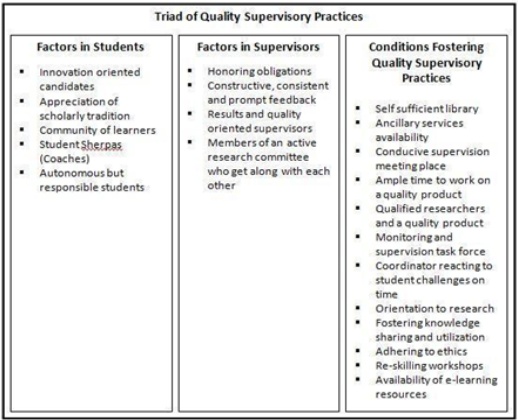
Figure 1. Triad of Quality Supervisory Practices by Chrispen et al. (2012)
Dynamic Facilitation
Quan-Baffour and Vambe (2008) proposed the framework of Dynamic Facilitation as the best practice to use when supervising distance education postgraduate students. The authors argue that this framework “promises to be the best practice of scaffolding and leveraging student research work at the post graduate level because this type of supervision allows the student to relate research questions to social contexts and problems that they encounter in real life.”
According to this framework (Figure 2), the three main aspects that form the foundation of dynamic thesis administration in the context of ODeL are (1) introducing learner-centered approaches to postgraduate dissertation supervision; (2) dealing with post-graduate student researchers as critical thinkers on their own right; and (3) putting in place leveraging systems of student support to help students physically, and theoretically bridge the ‘distance-ness’ in distance education.
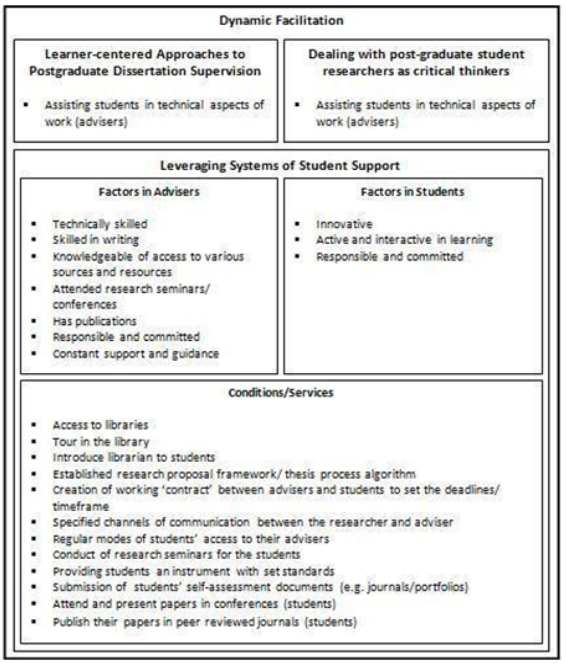
Figure 2. Dynamic Facilitation by Quan-Baffour and Vambe (2008)
Framework of the Study
In order to accomplish the study’s objectives, the characteristics and principles of the Triad of Quality Supervisory Practices and Dynamic Facilitation, which are illustrated in Figures 1 and 2 respectively, were examined and compared. The overlapping characteristics and principles of the two frameworks were then grouped to formulate a comprehensive set of criteria that would help determine the current and ideal practices of FMDS Programs in administering thesis courses. The similar characteristics and principles of the two frameworks are presented columns 1 and 2 of Table 2 below. The derived criteria that would be used as a basis for determining current and quality thesis administration practices of FMDS is listed down in the third column of the same table.
The characteristics and principles of the two frameworks and the derived criteria presented in Table 1 were incorporated in the study’s framework shown in Figure 3 below. As can be seen in the framework, using the derived criteria, the current practices of FMDS programs in administering thesis courses would be determined and compared with the practices promoting quality thesis administration in ODeL context as well as with the students’ thesis experiences. Based on the comparison, recommendations will be presented to help improve the thesis administration practices being conducted in FMDS programs.
Table 1: Criteria for Examining Current and Ideal Practices in Administering FMDS Programs’ Thesis Courses Derived from Combining the Quality Thesis Administration Practices from the Two Frameworks
| Practices Promoting Quality Thesis Administration in ODeL Context | Derived Criteria for Determining Current and Ideal Practices of FMDS Programs in Administering Thesis Courses | |
|---|---|---|
| Triad of Quality Supervisory Practices | Dynamic Facilitation | |
|
|
|
| Ample time to work on quality product |
| |
| Orientation to research Community of learners Student Sherpas |
Tour in the library Introduce librarian to students |
|
|
|
|
|
|
|
|
|
|
|
|
|
|
|
|
|
|
|
|
|
|
|
|
|
|
|
|
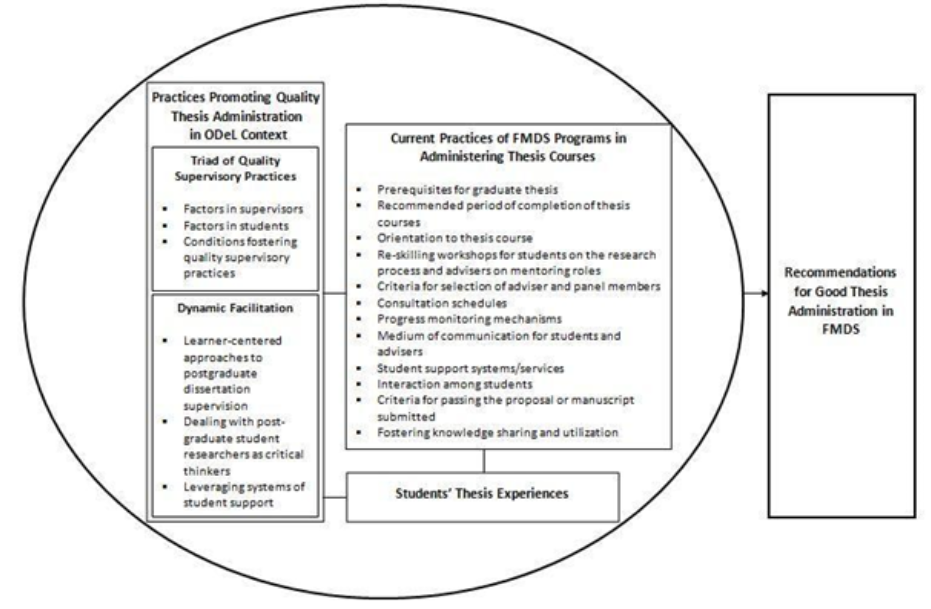
Figure 3. Conceptual framework of the study
Methodology
To collect data on the thesis practices being implemented in FMDS Programs, the Program Chairs and staff were interviewed and copies of relevant documents such as course guides, program guides, and thesis style guides (if any) were also gathered. In addition, an online survey for continuing and previous thesis students was also conducted to identify the problems that they encountered in the process of their thesis conduct. Data from the survey were used to supplement the findings of the study.
The practices of the programs were examined using the framework developed for this study. Using content analysis (Mayring, 2000), the practices were coded and compared with the factors identified in the study’s framework. In addition, student’s experiences as revealed in the survey were also categorized and matched against the said practices.
Results and Discussion
FMDS Practices in Comparison with Quality Thesis Practices & Students’ Experiences
Prerequisites for Graduate Thesis
The Triad of Quality Supervisory Practices (Chrispen et al., 2012) and Dynamic Facilitation (Quan- Baffour and Vambe, 2008) both point out that postgraduate distance education thesis students should be innovative, appreciative of scholarly tradition and active and interactive in learning. To cultivate these characteristics, prerequisites for graduate thesis must be met as this will help them gain knowledge on the theories, principles, models, and frameworks, which are crucial to the conduct of research in their respective disciplines. At FMDS, this is achieved either by terminal requirements such as obtaining a passing grade in the comprehensive exam (implemented by MAS and MAN), obtaining a passing grade in all the prerequisite courses including research courses (implemented by MAS, MAN, and MIH), and obtaining a degree in the equivalent Diploma Program (implemented by MLVM and MIH). Table 2 shows the requirements for enrollment to the various FMDS thesis courses.
Table 2: Requirements for Enrolment to FMDS Thesis Courses
| Program | Prerequisites for Graduate Thesis | ||
|---|---|---|---|
| Passing Grade in Comprehensive Exam | Passing Grade in Prerequisite Course/s including research courses | Completed a Specific Degree Program | |
| MAS | ✓ | ✓ | |
| MAN | ✓ | ✓ | |
| MIH | ✓ | ✓ | |
| MLVM | ✓ | ||
Recommended Period of Completion of Thesis Courses
The Triad of Quality Supervisory Practices of Chrispen and colleagues (2012) emphasized time as an important issue of quality. Just like thesis students who are studying in traditional institutions, distance education students should be given ample time to work on their research so that they would be able to produce quality output.
According to the course policies of the MAS, MAN, and MLVM programs, thesis students are given a prescribed time frame of two semesters (1 Academic Year) to complete their thesis course. Most universities offering graduate programs expect students to complete and defend their graduate thesis or master’s project within one year after completing the required coursework for the degree (Oaks, 2017; University of Arizona, 2018; Bailey &Scarrow, 2010). As for the case of the MIH program, thesis students are only given a short period of one semester to finish their research. In relation to this, MIH Thesis students have revealed that they were not able to finish their research within the recommended period of completion due to their work and the scope of their study (e.g., sample size, ethical issues). Students from other Programs also expressed that they experienced the same problems encountered by MIH students, and in addition, they also cited personal concerns (e.g., pregnancy) to be among the hindrances for the completion of their research. This finding is in line with Olakulehin and Ojo’s (2008) study, which reported that it is common for postgraduate students who are taking up research courses in distance education to encounter such difficulties in the development of their research work.
MAS, MAN, and MLVM thesis students should apply for residency in the succeeding semesters if they fail to complete their thesis work within the prescribed time period. MIH thesis students, on the other hand, are advised to formally request for extension. Table 3 shows the recommended period of completion for each of the thesis courses offered by FMDS.
Table 3: Recommended Period of Completion for FMDS Thesis Courses
| Program | Prerequisites for Graduate Thesis | ||
|---|---|---|---|
| Passing Grade in Comprehensive Exam | Passing Grade in Prerequisite Course/s including research courses | Completed a Specific Degree Program | |
| MAS | ✓ | ✓ | |
| MAN | ✓ | ✓ | |
| MIH | ✓ | ✓ | |
| MLVM | ✓ | ||
Orientation to Thesis Course
Orientation is crucial especially for thesis students who are doing their research work at a distance as it is instrumental in guiding them about the thesis process. Moreover, it also serves as a venue to welcome them and to introduce them to other researchers and also to the resources and individuals that they can tap should they meet challenges as they progress in their thesis work (Chrispen et al., 2012).
Since it would be difficult to convene thesis students for face-to-face orientation sessions because they are geographically dispersed, the MAN and MIH programs make use of technologies such as video conferencing platforms such as Skype and Google Hangouts and web streaming platforms such as Facebook Live for their orientation sessions. e-Copies of orientation reading materials are also uploaded in thesis course sites.
Table 4: Means of Orientation to FMDS Thesis Courses
| Program | Means of Orientation | Technology Used | |
|---|---|---|---|
| Provision of Reading Materials | Conduct of Orientation Sessions | ||
| MAS | ✓ |
| |
| MAN | ✓ | ✓ |
|
| MIH | ✓ | ✓ |
|
| MLVM | ✓ |
| |
The LVM 300 Course Guide is embedded in the LVM 300 Course Site
Criteria for Selection of Adviser and Panel Members
Advisers play a key role in helping distance education thesis students produce quality outputs. As such, administrators must ensure that they are effective, skilled, experienced, well-published, and are actively attending research seminars/conferences (Chrispen et al., 2012; Quan-Baffour and Vambe, 2018). A research committee with good rapport must also be formed to help the student and the adviser in areas where they are challenged based on the Triad of Quality Supervisory Practices (Chrispen et al., 2012). The MAS, MAN, MIH and MLVM programs take into account the expertise of advisers and panel members to match the various research interests of students. In addition, MAS, MAN and MIH programs also look into the highest attained degree of advisers as this reflects their research experience and technical and writing skills. Table 5 presents the qualifications that the four programs use in to gauge whether or not one would qualify as a thesis adviser for the thesis course.
Table 5: Criteria for Selection of Adviser and Panel Members in FMDS Thesis Courses
| Program | Criteria Used for Selection of Adviser and Panel Members | ||
|---|---|---|---|
| Type of Expertise | Has Experience in Research | Has an MS or PhD Degree | |
| MAS | ✓ | ✓ | ✓ |
| MAN | ✓ | ✓ | ✓ |
| MIH | ✓ | ✓ | ✓ |
| MLVM | ✓ | ✓ | |
Re-skilling Workshops for Students on the Research Process and Advisers on Mentoring Roles
Chrispen and colleagues (2012) stated that re-skilling workshops are essential for both students and advisers. They added that re-skilling workshops for students aim to expose them to the research process while the counterpart re-skilling workshops for advisers aim to equip them with the competencies needed for mentoring advisees and to brief them about their responsibilities in the research process. Table 6 shows the re-skilling initiatives implemented in FMDS.
Re-skilling Workshops for Students
In lieu of formal re-skilling workshops for its thesis students, the four Programs provide reference materials to help refresh students’ knowledge on the fundamentals of research. In addition, MAS, MAN, and MIH thesis students are required to pass prerequisite research courses before they can enrol in their respective thesis courses. The advantage of having prerequisite research courses for MAS, MAN and MIH thesis students is that they can eventually develop their thesis from their approved research course outputs. In the absence of prerequisite research courses in the MLVM program, thesis students are given a set of assignments which are designed to pace them in the development of their thesis. The practices which are conducted in lieu of formal re-skilling workshops for students are summarized in Table 6.
Despite having passed the prerequisite research courses and having access to refresher reference materials on conducting research, there are MAS, MAN, and MIH thesis students who have difficulty in going about the research process, such as topic selection and finding appropriate literature for their study. Thesis students of the MLVM Program that does not have prerequisite courses on research methods encountered this same problem, and in addition, they are also faced with challenges in the organization of research flow, finding appropriate research setting, statistical interpretations, and sampling.
Table 6: Practices Implemented in FMDS Thesis Courses in Lieu of Re-skilling Workshops
| Program | Practices Implemented in in Lieu of Re-Skilling Workshops | ||
|---|---|---|---|
| For Students | |||
| Pass Prerequisite Research Course | Provision of Reading Materials | Accomplish Assignments | |
| MAS | ✓ | ✓ | |
| MAN | ✓ | ✓ | |
| MIH | ✓ | ✓ | |
| MLVM | ✓ | ✓ | |
Despite having passed the prerequisite research courses and having access to refresher reference materials on conducting research, there are MAS, MAN, and MIH thesis students who have difficulty in going about the research process, such as topic selection and finding appropriate literature for their study. Thesis students of the MLVM Program that does not have prerequisite courses on research methods encountered this same problem, and in addition, they are also faced with challenges in the organization of research flow, finding appropriate research setting, statistical interpretations, and sampling.
Re-skilling Workshops for Advisers
There are no re-skilling workshops held for thesis advisers as the usual practice of the four programs is to tap experts who have ample experience in research, teaching and mentoring research students. Most of them also have experience in teaching ODeL courses. Despite possessing the mentioned qualifications, it seems that not all thesis advisers are able to properly fulfil their roles as mentors as there are thesis students from the four programs who have mentioned that they received little to no guidance from their advisers. Moreover, some students also stated that their research were directed or dominated by the research interests of their advisers and panel members.
Progress Monitoring Mechanisms
The Dynamic Facilitation highlighted that constant self-evaluation during thesis development is a must for students who take thesis courses in distance mode. It is recommended that they use the institution’s “review instrument” to gauge their performance.
The “review instruments” for FMDS thesis students are presented in Table 7. All four programs provide their students with guidelines about the thesis process. In addition to this, MLVM and MAS thesis students are also given a timeline to help pace their thesis writing progress. The timeline provided for MLVM thesis students, however, is only until the development of the thesis proposal. In the case of the MAS Program, the steps in the thesis writing process that must be accomplished at the end of each semester are indicated in the course site. Despite the availability of a timeline, there are MAN and MLVM thesis students who have expressed difficulty in keeping up with the schedules. In addition, some of the MAS students conveyed that the provided steps of the thesis process course site were too general.
In the case of the MAN and MIH programs, thesis students are encouraged but are not required to devise their own timelines. The absence of a formal timeline is perceived as a problem by some of the MIH students as it entails difficulties in setting up schedules. For instance, it is difficult to find a common time where all panel members are available. Aside from also having difficulties in scheduling, there are also MAN students who have expressed that there are instances where announcement of important dates were delayed.
Table 7: Progress Monitoring Mechanisms for Students
| Program | Review Instruments for Students | Functions Related to Tracking of Thesis Progress | |
|---|---|---|---|
| To Provide Guidelines on the Thesis Process | To Provide a Timeline for Activities and Deadlines | ||
| MAS | ASEAN 300 course site | ✓ | ✓ |
| MAN | N 300 Thesis Guide | ✓ | |
| MIH | IH 300 algorithm | ✓ | |
| MIH style guide | ✓ | ||
| MLVM | LVM 300 course guide | ✓ | ✓ |
The progress monitoring mechanisms that the four programs use to track the progress of their thesis students are presented in Table 8. The course sites for the thesis courses of the four programs are designed to serve as a venue for communication and output submissions. Despite this, there are many instances where advisers and advisees still use email as a means for communication. The MAN and MIH programs, on the other hand, are required to provide updates about their progress in the thesis writing process. N 300 students are required to submit a monthly progress report while IH 300 students must accomplish the continuous monitoring form.
Table 8: Progress Monitoring Mechanisms Implemented at the Program Level
| Program | Progress Monitoring Mechanism | Functions | ||
|---|---|---|---|---|
| Track communication b/w students & advisers | Track student progress | Track student submissions | ||
| MAS | Course Site | ✓ | ✓ | |
| MAN | Course Site | ✓ | ✓ | |
| Monthly Progress Report | ✓ | |||
| MIH | Course Site | ✓ | ✓ | |
| Continuous Monitoring Form | ✓ | |||
| Study Closure/Final | ✓ | |||
| Report Form | ✓ | |||
| MLVM | Course Site | ✓ | ✓ | |
Consultation Schedules
Thesis students and their advisers individually decide on and arrange for consultation meetings depending on their most convenient time as the four programs do not impose a policy on how often and when thesis students and their advisers should meet. Both the Triad of Quality Supervisory Practices (Chrispen et al., 2012) and the Dynamic Facilitation (Quan-Baffour and Vambe, 2018) suggested that it is critical for both parties to uphold their responsibility of maintaining contact with each other during the course of the thesis.
As in the case of arranging orientation sessions, setting up consultation meetings can be quite challenging because of the spatial and temporal distance between the thesis students and advisers (Nasiri and Mafakheri, 2015). Moreover, the students also have to consider the availability of their advisers due to extensive commitments (Chrispen et al., 2012). The results of the survey tend to show that thesis students from the four programs had difficulty in setting up consultation meetings because they had to take into account their advisers’ hectic schedule. Those who were able to set an appointment with their advisers conveyed that there was not enough time available for the meeting.
Medium of Communication Between Students and Advisers
Taking into account the “distance-ness” between the adviser and the student, the medium to be used for communication must be specified for students’ regular modes of access to their advisers (Quan-Baffour and Vambe, 2018).
The thesis advisees and advisers of the four programs communicate with each other through various means as it has been the practice of the four programs to let the advisers and advisees decide on which medium of communication would be the best and most convenient for them to use. For immediate feedback, all programs usually allow face-to-face consultations and real- time communication methods such as phone calls. Advisers and advisees also utilize computer mediated communication which, according to Forrester, Motteram, Parkinson, and Slaouti (2004), comes in many forms and may be asynchronous in nature, thus enabling collaboration and interaction despite the existence of temporal and spatial distance. Thesis students view their ability to interact and collaborate with their advisers through online platforms such as Skype, Facebook, Viber, Google Hangouts as advantageous.
It is also common for thesis students and their supervisors to communicate via email which, according Gaines (2014), still remains to be the most prevalent means for communication for thesis advising. In addition, the thesis course sites have discussion forums where students can discuss their inquiries with their advisers and thesis coordinators.
Table 9: Medium of Communication for Students and Advisers
| Programs | Medium of communication between students and advisers | ||||
|---|---|---|---|---|---|
| Face-to-Face Meetings | Phonecall | Discussion Forums | Video Call/Chat | ||
| MAS | ✓ | ✓ | ✓ | ✓ | ✓ |
| MAN | ✓ | ✓ | ✓ | ✓ | ✓ |
| MIH | ✓ | ✓ | ✓ | ✓ | ✓ |
| MLVM | ✓ | ✓ | ✓ | ✓ | ✓ |
Access to Student Support Systems/Services
Suciati (2011) mentioned that the thesis writing journey for distance education students can be a hard, winding, and lonely road, especially since their face-to-face meetings with their advisers is less frequent than meetings available to those who study in conventional universities. That is why the two guiding frameworks emphasized the importance of support systems and services as these play a crucial role in aiding students in the completion of their thesis. Examples of these services include self-sufficient libraries and e-learning resources, ancillary services, monitoring and a supervision task force that will promptly react to students’ challenges, and adequate meeting places for face-to-face consultations and other course activities.
All of the mentioned services can be accessed by FMDS thesis students. For instance, students can freely access available references and services and online research databases at the University Library. Facilities and equipment at the UPOU Headquarters are available for use during face- to-face meetings such as orientations, proposal defence and final presentations. The chair and research assistant of the programs serve members of the monitoring and supervision task force as they administer thesis course related concerns. They also facilitate the preparation of students and needed equipment, documents and venue for the students’ thesis proposal/final defence. For face-to-face meetings, students and advisers can freely utilize the current facilities available at the UPOU Main Headquarters and at the Learning Center located at NCC, UP Diliman.
Table 10: Available Student Support Systems/Services for FMDS Thesis Students
| Programs | Available student support systems/services | |||
|---|---|---|---|---|
| Library Services | Conducive Meeting Places for Face-to-Face Meetings | Monitoring & Supervision Task Force | Ancillary Services | |
| MAS | ✓ | ✓ | ✓ | ✓ |
| MAN | ✓ | ✓ | ✓ | ✓ |
| MIH | ✓ | ✓ | ✓ | ✓ |
| MLVM | ✓ | ✓ | ✓ | ✓ |
Interaction among Students
Being isolated makes it difficult for distance education students to interact with and gain useful insights for research writing from their peers (Olakulehin and Ojo, 2008). Nonetheless, interaction among students must still be encouraged as it provides a venue for sharing of experiences, enables students to show support to one another in their research efforts, and also fosters the production of a quality product (Chrispen et al., 2012). In the case of the thesis courses under the FMDS programs, interaction between thesis students is either initiated by the students themselves or by University as a part of the course activities. The venues for interaction between thesis students are listed down in Table 11.
Table 11: Venues for Interaction for FMDS Thesis Students
| Program | Venues for Interaction for Students | Student Initiated | University Initiated | Mode of Interaction/ Technology Used |
|---|---|---|---|---|
| MAS | Discussion Forums | ✓ | MyPortal platform | |
| Proposal Presentations | ✓ | Face-to-face meetings | ||
| MAN | Discussion Forums | ✓ | MyPortal platform | |
| Class chatgroup | ✓ | Social media platforms (Facebook) | ||
| MIH | Discussion Forums | ✓ | MyPortal platform | |
| Orientation sessions | ✓ | Face-to-face meetings | ||
| Online orientation sessions | ✓ | ✓ | Facebook Live | |
| MLVM | Discussion Forums | ✓ | MyPortal platform |
Thesis students from the four programs are given the chance to interact with each other through the discussion forums which are provided in the course sites. In addition, MAS, MIH, and MLVM students can meet their classmates during scheduled face-to-face meetings, as in the case of the proposal presentations in MAS, MIH, and MLVM students. In the future, ASEAN 300 students will also be given a chance to interact with their fellow ASEAN 300 students through the colloquium. MIH students meet each other through orientation sessions. The MIH and MAN Programs also provide a chance for students to interact via social media. The MIH Program holds Facebook Live Orientation sessions for IH 300 students where students, mostly offshore based, could interact with one another through the comments section. Meanwhile, there is also a batch of IH 300 students who created a Facebook group chat to serve as their means of communication as they go through the research process.
Criteria for passing the proposal or manuscript submitted
The two frameworks emphasize that students should be able to produce outputs that are of good quality (i.e., original and flawless) and have passed ethical standards (Chrispen et al., 2012 and Quan-Baffour and Vambe, 2018).
In evaluating submitted proposals and manuscripts for the thesis courses of the MAS, MAN, and MLVM programs, evaluators see to it that the students should have followed the standard research process and satisfied the requirements needed for a good research paper.
In the case of the MIH program, thesis students’ outputs are evaluated using the criteria which is enumerated in the MIH thesis guide. According to the criteria, the students must produce their own original work. The level of inquiry should at least be descriptive-exploratory and critical assessment of relevant literature must be evident. Moreover, it should have a distinct contribution to the knowledge of the field of study and it should have also passed ethical reviews. Thesis proposals are also subjected to internal and external reviews. Internal reviews are conducted while the university research committee while external reviews are done by the local community or hospital. External reviewers usually take into account the feasibility of the study, time requirement, and nature of research. They also require proposals to be written in English. Focusing on learner-centered approaches, the Dynamic Facilitation also recommends the submission of students’ self-assessment documents (e.g. journals/portfolios) along with their manuscripts. However the programs only require the submission of copies of manuscript and ERB Documents.
Fostering knowledge sharing and utilization
In order to foster knowledge sharing and utilization, knowledge management activities such as creation and maintenance of knowledge repositories must be conducted (Chrispen et al., 2012). As a practice, programs in the MIH and MAN that have already produced thesis manuscripts require students to submit three hard bound copies of their approved thesis. These are distributed to the adviser, the faculty secretary, and the university library so other students can also access them. The student keeps a personal hard bound copy of his or her thesis.
Moreover, involvement in journal publication and conferences are advantageous as these boost thesis students’ motivation to finish their research work on time (Quan-Baffour & Vambe, 2008). The MAS Program upholds this practice by requiring students to present at a colloquium once they have finished their thesis work as a requirement for ASEAN 299 (ASEAN Colloquium). MAN and MIH thesis students, on the other hand, are not required but are encouraged to publish their thesis work in journals or present them in conferences. In most cases, graduates of the MAN and MIH Program who work in the academe are the ones who are able to share their works through publications and presentations in conferences as these activities are usually encouraged in their profession.
There are LVM 300 students who have yet to finish their thesis as most of them are currently in the middle of the thesis writing stage. Once there are students who would be able to come up with a finished thesis output, they would also be encouraged to share the findings of their study through publication in journals or presentation in conferences.
Table 12: FMDS Thesis Course Practices that Foster Knowledge Sharing and Utilization
| Programs | Practices That Foster Knowledge Sharing And Utilization | Participation in Conferences, Colloquium, etc. | Publication of Research Work in Journals | Submission of thesis work for storage/repository |
|---|---|---|---|
| MAS | ✓ | ✓ | not at this stage yet |
| MAN | ✓ | ✓ | ✓ |
| MIH | ✓ | ✓ | ✓ |
| MLVM | ✓ | ✓ | not at this stage yet |
The two frameworks employed in the study have been appropriate lens to document the various aspects in administering the conduct of students’ theses in an ODeL institution. Most of the ideal practices that are indicated in the two frameworks are being implemented by the four programs in the administration of thesis practices. Currently, the four programs have a set of prerequisites for enrolment to the graduate thesis course, a prescribed period for thesis completion, various means for orientation to the thesis course, criteria for adviser selection and evaluation of thesis course related outputs, progress monitoring mechanisms, various modes for adviser and advisee communication, available student support services, activities and venues for student interaction, and means to encourage knowledge sharing and utilization. The MAS, MAN, MIH, and MLVM programs can continue implementing these practices as these are comparable to the quality thesis administration practices which are indicated in the frameworks which guided the study.
In this study, the practices as reported by the programs were also ascertained against the perceptions of the students who participated in the online interviews. As previously mentioned, these students reported experiencing certain challenges in the conduct of their thesis — insufficient advice from teachers, unclear expectation on what constitutes a quality master’s thesis, inability to keep up with the timelines, and difficulties in setting up meeting with members of the advising committee. It must be noted though that the problems cited by students, while illuminating, are also not unique to the ODeL setting. Previous studies have shown (Paltridge, 1997; Bitchener, and Basturkmen, 2006; Can et al., 2006) that thesis administration in conventional universities have also been constrained by the students’ lack of preparedness to do academic research and mismatched expectations between the adviser and the student in terms of what support each party is expected to extend or receive (Paltridge, 1997; Bitchener, and Basturkmen, 2006; Can et al., 2006; Gardner, 2009). In the context of ODeL, however, the same problems can be magnified because distance learners are more diverse and there is time and geographical difference between students and their advisers. Due to these differences, distance learners writing their thesis tend to experience more stress (Silinda and Brubacher, 2016). This points to the serious need for an enhanced learner support for the thesis students at FMDS.
In terms of clarifying to students the concept of what constitutes a quality thesis, the other three programs can look at the MIH program, which has defined the characteristics of a good thesis in their discipline and have even used national health research plan to guide the research topics of students. Some cases (i.e., occasional delays in the posting of announcements to thesis students) will simply require better implementation of existing systems. The other concerns though can be traced back to the interactions between the adviser and the student. While all the programs have set policies for selection of research advisers, students said that they needed to consider the availability of their advisers most of whom typically have extensive commitments (Chrispen et al., 2012). This brings to the fore the importance of equipping the advisers on how to tap technology not only to reach their students but to maximize the limited contact time they have with their students, almost all of whom are also combining their studies with full-time work. Part of their preparation as advisers may include learning how to impart complex research ideas online and inculcating in them the need for regular feedback to students. Promoting learner-learner interaction among the thesis students in the course site can help students learn from each other through the exchange of ideas and experiences in research and thesis writing.
While students have been prepared in several ways for thesis writing by their respective programs, for example, through passing of comprehensive examination or research courses, students can be better equipped through the provision of additional learning resources. Given the diverse profile of learners in a distance learning institution, the university or the FMDS can provide open online courses on basic research skills (i.e., statistical methods, technical writing, etc.) which any thesis student can choose to take depending on his/her need. Such short courses can also help lighten the load from the thesis advisers.
Monitoring of students’ work progress indeed requires more effort in the distance mode. The university or FMDS may thus very well invest in developing an automated system for monitoring research work progress that will enable both teachers and learners to be notified of their deliverables and deadlines. Such learning environment can also have the following features: repository for submissions of manuscripts, videoconferencing, chats, calendar, etc. The other programs can also follow the example of the MIH and the MAN programs in using forms and in requiring thesis students to regularly submit progress reports.
Conclusions and Recommendations
The four programs are currently implementing most of the thesis administration practices that the Triad of Quality Supervisory Practices (Chrispen et al., 2012) and the Dynamic Facilitation (Quan-Baffour and Vambe, 2008) consider as ideal. While the programs have put such systems in place, the students’ experiences also indicated that the implementation of the said systems can be further enhanced. It is suggested that these programs focus on clarifying what constitutes quality thesis in their respective disciplines, equipping thesis advisers on how to maximize online technologies in communicating complex ideas to students, scheduling their deliverables, and promoting learner-learner interactions. Students can also be better prepared for thesis writing through the provision of open online courses on research skills to those who may not be competent in some areas. Lastly, a learning management system suited for thesis advising in the online mode must be developed not only to improve the monitoring of students’ progress but also to better facilitate the interactions between students and their advisers.
In the future, similar studies can be conducted in other programs in other faculties of the university as well as other similarly situated institutions to further improve their thesis practices in the context of ODeL. Aside from interviewing the Program Chairs and staff who were involved in administering the thesis process, they can also explore the practices implemented by individual advisers in supervising their advisees.
Acknowledgment
The authors extend their thanks to the UPOU Faculty Research Grant for supporting the conduct of this study.
References
Bailey, J. & Scarrow, S. (2010, August). Guidelines for Writing a Master’s Thesis for the M.A. Degree. Retrieved from https://www.uh.edu/class/political-science/_docs/MA/MA%20Thesis%20 Guidelines.pdf.
Bitchener, J. and Basturkmen, H. (2006). Perceptions of the Difficulties of Postgraduate L2 Thesis Students Writing the Discussion Section. Journal of English for Academic Purposes, 5(1), 4-18.
Calma, A. (2008). Postgraduate Supervision in the Philippines: Setting the Research Agenda. The Asia-Pacific Education Researcher, 16(1), 91-100. doi:10.3860/taper.v16i1.94.
Can, E., Richter, F., Valchanova, R, Dewey, M. (2006). Supervisors’ perspective on medical thesis projects and dropout rates: survey among thesis supervisors at a large German university hospital. BMJ Open, 6(10), 1-7.
Chrispen, C., Chabaya, R. A., Paul, M., & Owence, C. (2012). Quality research supervisory practices at a distance: Exploring the experiences of Zimbabwe Open University postgraduate in education students. European Journal of Business and Social Sciences, 1(4), 1-19. Retrieved from http://www.ejbss.com/Data/Sites/1/mydata/ejbss-12-1125-qualityresearchsupervisory. pdf.
Forrester, G., Motteram, G., Parkinson, G., & Slaouti, D. (2004, September). Going the distance: students’ experiences of induction to distance learning in higher education. Paper presented at British Educational Research Association Annual Conference , University of Manchester. Leeds:Education-line.
Gardner, S.K. (2009). The Development of Doctoral Students: Phases of Challenge and Support. ASHE Higher Education Report, 34, 1-126.
Gaines, T. (2014). Technology and academic advising: Student usage and preferences. NACADA Journal, 34(1), 43-49. doi:10.12930/nacada-13-011.
Mayring, P. (2000). Qualitative Content Analysis. Forum Qualitative Sozialforschung / Forum: Qualitative Social Research, 1(2), Art. 20. Retrieved from http://nbn-resolving.de/ urn:nbn:de:0114-fqs0002204.
Nasiri, F., & Mafakheri, F. (2015). Postgraduate research supervision at a distance: a review of challenges and strategies. Studies in Higher Education, 40(10), 1962-1969. doi:10.1080/0307 5079.2014.914906.
Oaks, R. (2017, March). How Long Does It Take to Write a Thesis Dissertation? Retrieved from https://www.editing-writing.com/how-long-does-it-take-to-write-a-dissertation/.
Olakulehin, F. K., & Ojo, O. D. (2008). Factors Influencing the Completion of Dissertations by Students of Post-Graduate Diploma in Education (PGDE) by Distance Learning in South- western Nigeria. The Journal for Open and Distance Education and Educational Technology, 4(1). doi:10.12681/jode.9722.
Paltridge, B. (1997). Genre, Frames and Writing in Research Settings. Netherlands: John Benjamins Publishing.
Quan-Baffour, K. P., & Vambe, M. T. (2008). Critical issues in the supervision of post-graduate dissertations in distance education environments. Open Education - The Journal for Open and Distance Education and Educational Technology, 4(1). Retrieved from https://ejournals. epublishing.ekt.gr/index.php/openjournal/article/viewFile/9728/9875.
Silinda, F. and Brubacher, M.R. (2016). Distance Learning Postgraduate Student Stress while Writing a Dissertation or Thesis. International Journal of E-Learning and Distance Education, 32(1): 1-14.
Suciati. (2009). Toiling in the internet for a graduate degree. student preference and experience in online thesis advising. Paper presented at 23rd World Conference on Open Learning and Distance Education, Maastricht, the Netherlands. Retrieved from https://www.ou.nl/Docs/ Campagnes/ICDE2009/Papers/Final_paper_257Suciati.pdf.
Tichapondwa, S. M. (Ed.). (2013). Preparing your dissertation at a distance: A research guide. Retrieved from http://www.sadc.int/files/3713/7821/2867/Dissertation_PDF.pdf.
University of Arizona. (2018, May). Master’s Degrees. Retrieved from https://grad.arizona.edu/ gsas/degree-requirements/masters-degrees.
International Journal on Open and Distance e-Learning, Vol. 4 No. 1, June 2018 Issue